Finding the right block of land is about more than choosing a location that looks appealing. The property needs to suit your intended use, budget, lifestyle and long-term goals. Before making a decision, consider practical factors such as zoning, access, utilities, site conditions and future development potential.
A property may seem ideal, but a closer review can reveal details that affect what you can build or how much the project will cost. Assessing the land carefully can help you make an informed choice and avoid challenges.
How Does the Location Support Your Goals?
Location can influence convenience, value and how well the land suits your plans. Think about how close the property is to workplaces, schools, shops and major roads. If you’re planning a family home, access to amenities may matter just as much as the size of the block.
It’s also worth looking beyond current conditions. Nearby infrastructure projects or new housing developments may change traffic, noise levels and property values over time. Researching the surrounding area gives you an idea of what living or investing there may be like in the future.
Does the Zoning Allow Your Intended Use?
Zoning rules can determine what can be built on a property and how the site may be used. Before committing to a purchase, check the local council’s planning controls and confirm that your intended project is permitted. Restrictions may apply to building height, setbacks, lot coverage, subdivision or business activity.
If you’re considering a piece of land for sale for a new home, investment property or commercial project, review zoning early. It’s also useful to investigate overlays or special requirements related to bushfire risk, flooding, heritage protections or environmental concerns. These rules can influence design choices, approval times and costs.
Are Utilities & Services Easy to Access?
Access to essential services can affect convenience and construction costs. Check whether electricity, water, sewerage, gas and telecommunications are already connected or available nearby. In some regional or rural areas, you may need alternatives such as rainwater tanks, septic systems or solar power.
The cost of extending services can vary, particularly if the block is far from infrastructure. Asking for connection information before buying can help you create a realistic budget and reduce expensive surprises during development.
What Are the Site Conditions Like?
The shape, slope and soil conditions of a block can influence building design and construction costs. A steep site may offer attractive views, but it could require excavation, retaining walls or specialised foundations. Irregularly shaped blocks can also limit where a home, driveway or outdoor area can be positioned.
A soil test and site survey can provide information before you finalise plans. Drainage should also be considered, particularly in areas that experience heavy rainfall. Understanding the property’s characteristics can help you choose a design that works with the land instead of requiring costly compromises.
Is There Suitable Access to the Property?
Good access is essential during construction and after the project is completed. Consider whether the block connects directly to a public road and whether vehicles, delivery trucks and construction equipment can enter safely. Narrow entrances, steep driveways or shared access arrangements may create practical issues.
Legal access should also be confirmed. Some properties rely on easements or rights of way across neighbouring land. Reviewing title documents and seeking advice can clarify these arrangements before you buy, particularly for rural properties where access may be less straightforward.
Does the Land Fit Your Budget & Timeline?
The purchase price is only one part of the overall cost. Buyers may also need to budget for site preparation, council approvals, utility connections, surveying, engineering, landscaping and construction. A lower-priced block can become expensive if work is needed before building begins.
Compare the total estimated cost of different properties rather than focusing only on the advertised price. Your timeline matters too. Planning approvals, service connections or environmental assessments can delay construction, so make sure the expected process suits your schedule.
How Well Does the Property Support Future Plans?
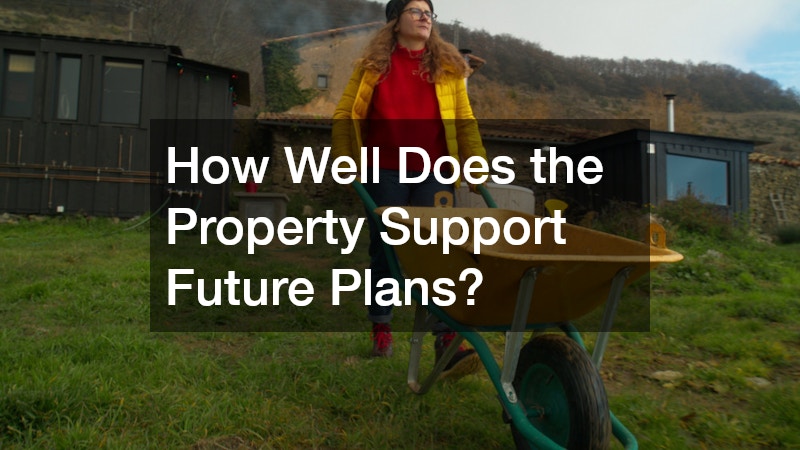
Your needs may change over time, so consider whether the block gives you enough flexibility for future additions or different uses. You might want space for a shed, pool, garden, secondary dwelling or larger outdoor living area. Thinking ahead can help you avoid choosing a property that becomes restrictive later.
When assessing a property, consider both your immediate plans and where you may be several years from now. The right piece of land for sale should offer a practical balance of location, affordability, access and development potential. Careful research can help you select land that supports your goals and gives you greater confidence as you move towards the next stage of your project.